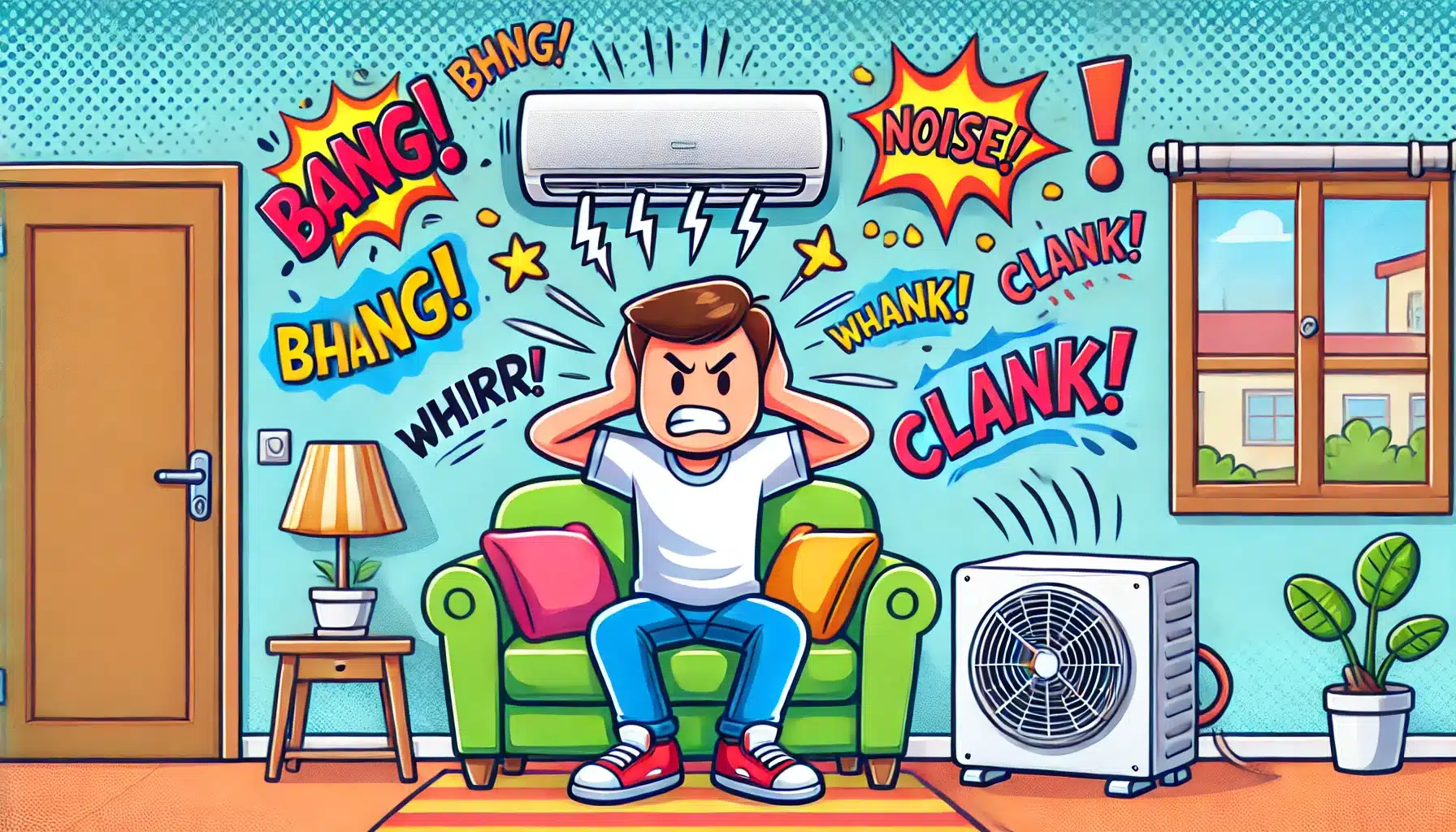
Is your HVAC system sounding more like a jet engine than a quiet hum? If you’re hearing rattles, bangs, whines, or whooshes, it might be time to tune in -your HVAC system is trying to tell you something. While some noise is normal, especially during start-up or shut-down, loud or unusual sounds often indicate a bigger issue that needs attention.
In this blog post, we’ll break down the common causes of loud HVAC systems, what those strange noises could mean, and when it’s time to call in a professional before things get worse.
Common HVAC Noises and What They Mean
When your HVAC system gets noisy, it’s not just annoying -it’s often a signal that something isn’t working as it should. Let’s take a look at some of the most common noises and what they could indicate:
1. Banging or Clanging
If it sounds like someone’s banging around in your vents, that’s a clear sign of trouble. Banging or clanging noises typically mean there’s something loose, like a fan blade, or even a broken part inside the system, such as the blower motor.
Possible Causes:
- Loose or broken components inside the unit.
- Unbalanced fan or blower motor.
What to Do: Turn off your system and contact an HVAC technician immediately. Loose parts can cause further damage if left unaddressed.
2. Rattling
A persistent rattling noise could indicate something simple, like loose screws, or something more serious, like debris trapped inside the unit or ductwork. Rattling can also be a sign that parts are starting to wear out and may need replacing soon.
Possible Causes:
- Loose screws or panels.
- Debris in the outdoor unit or ducts.
- Worn-out parts.
What to Do: Check for loose panels or debris around the unit. If the rattling continues, it’s time for a professional inspection.
3. Whistling or Squealing
A high-pitched whistling or squealing sound can be particularly grating -and it’s a clear sign that airflow is restricted somewhere in the system. This could be due to dirty filters, blocked ducts, or a problem with the blower fan belt.
Possible Causes:
- Dirty or clogged air filters.
- Blocked or closed vents.
- Malfunctioning blower motor or fan belt.
What to Do: Start by checking and replacing your air filter. If the noise persists, you may need an HVAC professional to inspect your ducts or blower motor.
4. Humming
A quiet hum is usually normal, especially when your system is operating, but a loud or persistent humming could be a sign of electrical issues. It might be a failing capacitor or a motor that’s struggling to turn on.
Possible Causes:
- Electrical problems.
- Failing motor or capacitor.
- Loose wiring.
What to Do: Don’t ignore electrical-related noises. Turn off the system and call a technician to avoid further damage or safety hazards.
5. Clicking
Clicking is common when your system starts up or shuts down, but if it’s constant, it could indicate a problem with the thermostat, electrical controls, or even the compressor.
Possible Causes:
- Malfunctioning thermostat.
- Electrical issues with relays or switches.
- Failing compressor.
What to Do: If you notice constant clicking, it’s best to get an expert to inspect the system to rule out electrical problems or failing parts.
Why Is Your HVAC System So Loud?
Beyond individual noises, if your HVAC system is simply louder than it used to be, there are a few underlying issues that could be causing the excess racket:
1. Your System Needs Maintenance
An HVAC system that hasn’t had regular maintenance will start to get noisy over time. Dust, dirt, and wear can build up, causing parts to work harder and louder to do the same job. Routine maintenance, including cleaning and lubricating moving parts, can significantly reduce noise and improve performance.
What to Do: Schedule regular maintenance at least once a year to keep your system running smoothly and quietly.
2. Your Unit Is Old
Like most appliances, HVAC systems get noisier as they age. Older units tend to have worn-out parts, loose connections, and outdated technology that doesn’t run as quietly or efficiently as newer models.
What to Do: If your system is 10-15 years old and getting progressively louder, it may be time to consider an upgrade. Newer models are not only more energy-efficient but also much quieter.
3. It Wasn’t Installed Correctly
An improperly installed HVAC system may result in excess noise from poor airflow, loose ductwork, or mismatched components. For example, if the system is too big for your home, it may short cycle, turning on and off frequently, which can lead to louder operation.
What to Do: If you suspect installation issues, have a professional review your system to ensure everything is fitted and configured correctly.
4. Ductwork Issues
If your ducts are too small, blocked, or poorly sealed, they can cause loud whistling or rattling sounds. Airflow can become restricted, causing pressure imbalances that lead to noise. Ducts that are too large for the system can also cause booming or banging noises when the air blows through.
What to Do: A professional HVAC technician can inspect your ductwork to ensure it’s properly sized and free of any blockages or leaks.
How to Reduce HVAC Noise
Noisy HVAC systems can be annoying, but fortunately, there are several ways to reduce the sound:
A. Upgrade to a Quieter System
If your HVAC system is old or inefficient, upgrading to a newer, quieter model can make a world of difference. Many modern systems are designed with noise reduction features, such as insulated compressors and variable-speed fans that operate quietly in the background.
B. Install Sound Blankets or Barriers
Sound blankets can be installed over your HVAC system’s compressor to reduce noise. Additionally, noise barriers or acoustic panels can be used to muffle sound in particularly loud areas.
C. Schedule Regular Maintenance
Keeping your system well-maintained ensures that everything is running efficiently and quietly. Regular cleaning, tightening of loose parts, and replacing worn components can prevent noises from cropping up in the first place.
Silence Those HVAC Scares with Veteran HVAC!
If your HVAC system is louder than it should be, don’t ignore it -those strange sounds could be warning signs of bigger issues down the road. Whether it’s a rattling vent or a banging furnace, the experts at Veteran HVAC are here to help you diagnose and fix the problem before it becomes a major repair (or a complete system replacement).
Contact us today to schedule a maintenance check or repair and enjoy a quieter, more efficient HVAC system in no time!